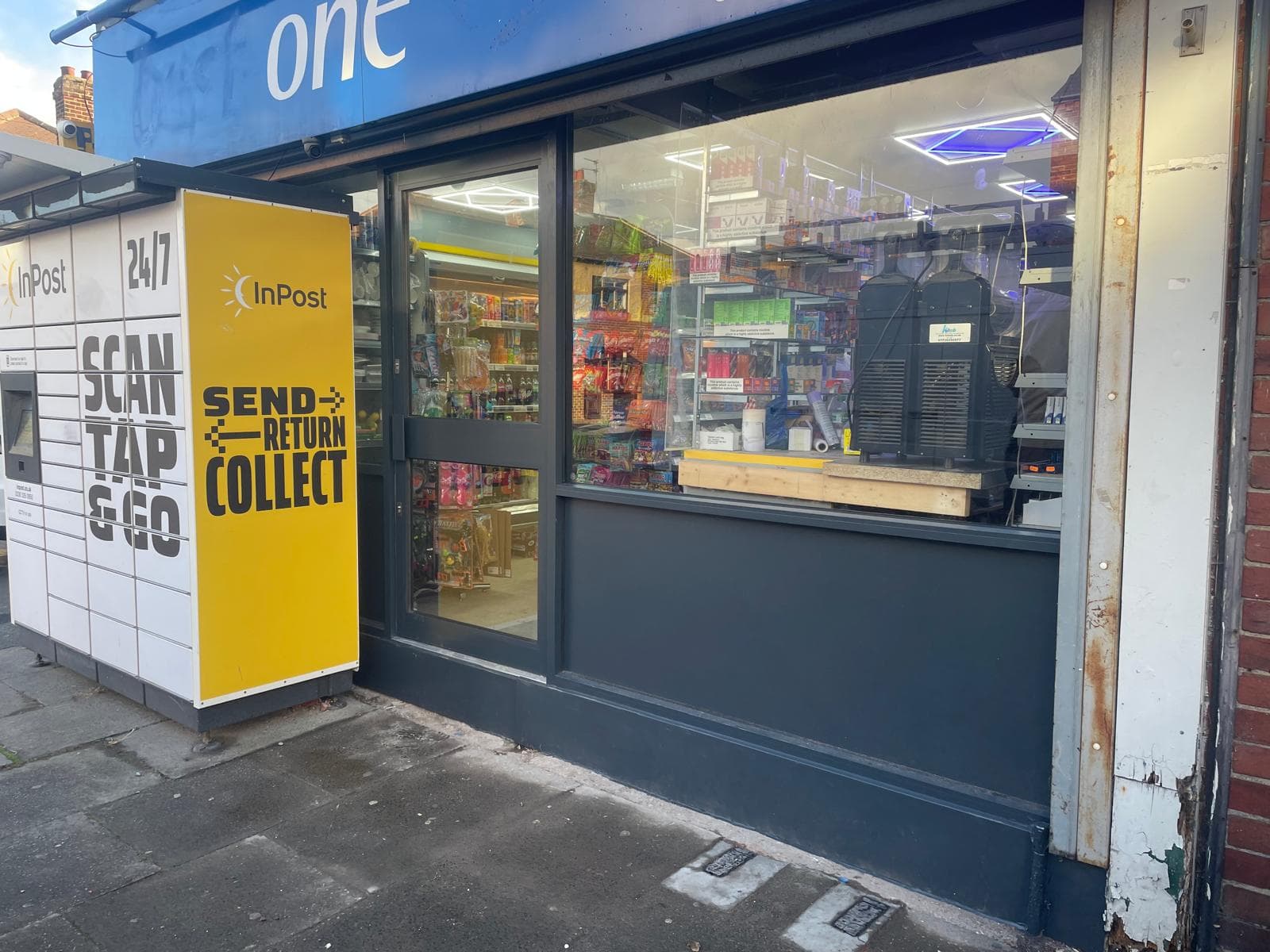
Glass Replacement
Commercial glass replacement for shopfronts and commercial premises. Toughened safety glass, laminated security glass, double-glazed units, and specialist glazing — measured, specified, and installed to BS 6262.
Glass is the defining element of any commercial shopfront. It provides visibility, natural light, and street presence — but it is also the most vulnerable component of the building envelope. Whether the damage is caused by vandalism, accidental impact, attempted burglary, storm debris, or the gradual failure of a sealed double-glazed unit, the result is the same: a compromised frontage that affects security, weather protection, energy performance, and the professional appearance of your premises.
Sigma Shop Fronts provides a comprehensive commercial glass replacement service covering the full range of glazing types used in modern shopfront, curtain wall, and commercial entrance systems. We measure, specify, source, and install replacement glass to the correct standard — not simply the nearest available alternative — ensuring that the repaired installation performs exactly as the original was designed to.
Types of Commercial Glass
Commercial glazing is not a single product — it is a family of glass types, each engineered for a specific performance requirement. Understanding the differences is essential to specifying the correct replacement.
*Toughened safety glass* (also called tempered glass) is the baseline specification for all commercial shopfront glazing. Manufactured by heating float glass to approximately 620°C and then rapidly cooling it, toughening increases the mechanical strength of the glass by a factor of four to five and changes its fracture behaviour: when broken, toughened glass fragments into small, relatively harmless granules rather than large dangerous shards. All toughened glass installed in commercial premises must comply with BS EN 12150-1 and carry the permanent etch mark identifying the manufacturer, standard, and thickness.
*Laminated glass* consists of two or more layers of glass bonded together with a polyvinyl butyral (PVB) or ethylene-vinyl acetate (EVA) interlayer. When broken, the interlayer holds the fragments in place, maintaining a barrier even after fracture. Laminated glass is specified where post-breakage retention is important — anti-bandit glazing, overhead glazing where falling glass would be hazardous, and acoustic attenuation applications. Laminated safety glass is manufactured and tested to BS EN ISO 12543.
*Double-glazed units (DGUs)*, also known as insulated glass units (IGUs), consist of two panes of glass separated by a sealed air or gas-filled cavity. The cavity — typically 12 mm to 20 mm wide and filled with argon or krypton for enhanced thermal performance — dramatically reduces heat transfer through the glazing. DGUs are essential for compliance with Building Regulations Part L (Conservation of Fuel and Power) in any new or replacement commercial glazing installation. Centre-pane U-values for standard argon-filled DGUs typically fall between 1.0 and 1.4 W/m²K depending on the glass specification and coating.
*Security-rated glass* is specified where the glazing must resist physical attack. PAS 24:2022 is the standard most commonly referenced by commercial insurers and specifiers for enhanced security performance of windows and doors. Glazing that forms part of a PAS 24 assembly is typically laminated with a thicker interlayer (0.76 mm or 1.52 mm PVB) and is tested as a complete assembly — glass, frame, and hardware together — rather than as an individual component.
When Glass Replacement Is Needed
The most common triggers for commercial glass replacement are:
*Vandalism and criminal damage* — deliberate breakage of shopfront glass remains one of the most frequent causes of emergency glazing work. Toughened glass shatters completely on impact, leaving an open aperture that must be boarded and then re-glazed. Laminated glass, by contrast, cracks but remains largely in the frame, which is one reason insurers increasingly recommend it for high-risk frontages.
*Accidental impact* — delivery vehicles, shopping trolleys, construction debris, and storm-borne objects all cause accidental glass breakage in commercial environments. The extent of damage determines whether a single panel replacement or a more extensive repair is needed.
*Failed seals on double-glazed units* — when the perimeter seal of a DGU fails, moisture-laden air enters the cavity and condenses on the inner glass surfaces. The resulting misting or fogging is irreversible without replacing the entire sealed unit. Failed DGUs also lose their thermal insulation performance, as the inert gas fill escapes and is replaced by air.
*Misting DGUs* — a subset of seal failure, misting units are visually obvious and commercially damaging. A misted shopfront window looks neglected and undermines customer confidence. Replacement of the sealed unit — not just cleaning — is the only effective remedy.
Measurement and Specification Process
Correct measurement and specification are critical. Commercial glass panels are not interchangeable — each unit is manufactured to precise dimensions, and the glass type, thickness, make-up, coatings, and spacer bar specification must be correctly identified to produce a replacement that fits the existing frame and meets the required performance standard.
Our process begins with a site visit to measure the glazed opening and identify the existing glass specification. For toughened glass, the BS EN 12150 etch mark on the original pane provides the manufacturer, thickness, and standard. For DGUs, we identify the spacer bar type and width, the glass make-up (e.g. 6 mm toughened outer / 16 mm argon cavity / 6.4 mm laminated inner), and any low-emissivity coatings. Where the original specification cannot be determined from markings — for example, if the glass has shattered completely — we refer to the original shopfront installer's records or specify a replacement based on the frame rebate depth and the applicable standards.
BS 6262 Compliance
All glass replacement work carried out by Sigma Shop Fronts complies with BS 6262, the British Standard code of practice for glazing in buildings. BS 6262 covers the selection of glass types appropriate to the location and use, the assessment of human impact risk (critical locations as defined in the standard), wind loading calculations for large panels, and the correct method of glazing into the frame system.
For glazing in critical locations — defined in BS 6262 Part 4 as areas below 800 mm from floor level in doors and below 800 mm from floor level in side panels within 300 mm of a door — safety glass (toughened or laminated) is mandatory. We verify that all replacement glazing in critical locations meets this requirement.
Safety Glass Regulations
Two principal standards govern the safety performance of glass used in commercial buildings. BS EN 12150-1 specifies the requirements for thermally toughened soda-lime-silicate safety glass, including the fragmentation pattern test that determines whether the glass breaks safely. BS EN ISO 12543 covers laminated glass and laminated safety glass, specifying the interlayer type, thickness, and the performance requirements for impact resistance and post-breakage behaviour.
The Building Regulations (Approved Document K in England and Wales, Section 4 in Scotland) require that glazing in critical locations — doors, side panels adjacent to doors, and low-level glazing — uses safety glass conforming to BS EN 12600, which classifies glass by its impact resistance performance. We ensure that all replacement glass in these locations is correctly classified and documented.
Emergency Boarding Before Replacement
When glass breakage leaves your premises unsecured, immediate boarding is essential. Sigma Shop Fronts provides emergency boarding as part of our 24/7 callout service. Our engineers attend with heavy-duty plywood or polycarbonate boarding material and secure the opening within the existing frame using screws or, where necessary, rawl-plugged fixings into the masonry reveal.
The boarding is designed to be weather-resistant and visually acceptable for the period between the emergency and the permanent glass installation — typically 24 to 72 hours for standard toughened glass, and three to seven working days for DGUs, laminated, or specialist specifications.
We photograph all damage before boarding begins, providing a timestamped record that supports insurance claims and demonstrates the condition of the premises at the time of our attendance.
Turnaround Times
Standard toughened glass panels in common thicknesses (6 mm, 8 mm, 10 mm, 12 mm) are typically available within 24 to 48 hours from our glazing supply network. Sealed double-glazed units require manufacturing to the specific dimensions and specification and are usually available within three to five working days. Laminated glass, specialist coated glass, and large-format panels (over 2.5 m in any dimension) may require five to ten working days depending on the specification and the manufacturer's production schedule.
We communicate expected lead times clearly at the point of order and keep you informed of progress. Where a faster turnaround is critical — for example, a ground-floor retail unit with temporary boarding — we can request priority manufacturing from our supply partners, subject to a surcharge.
How It Works
From initial enquiry to completed installation — here is what to expect when you choose Sigma Shop Fronts for your glass replacement project.
Report the Damage
Contact us with details of the broken or damaged glass. If possible, send photographs showing the affected panel and the surrounding frame so we can prepare an accurate specification.
Survey & Measurement
Our surveyor visits to measure the glass aperture, identify the glass type and specification, and assess the condition of the frame and glazing beads. For emergency situations, we board up the opening at the same visit.
Glass Specification & Quote
We specify the replacement glass to match or upgrade the original — toughened, laminated, double-glazed, or specialist security glass — and provide a fixed-price quotation.
Replacement & Fitting
The replacement glass is manufactured to the surveyed dimensions and installed by our glazing team. We fit new seals and beading where required and ensure the finished installation is watertight and secure.
What Does Glass Replacement Cost?
Glass replacement pricing depends on the glass type, size, and specification. Toughened safety glass is the standard minimum for commercial premises, with laminated and double-glazed options available for enhanced security and thermal performance.
All prices exclude VAT. Final cost confirmed after site survey.
Glass Replacement — Frequently Asked Questions
For standard toughened glass in common thicknesses, we can typically source and install a replacement within 24 to 48 hours of measurement. Sealed double-glazed units require three to five working days for manufacture. Laminated, security-rated, or large-format glass may take five to ten working days. In all cases, we can install emergency boarding within hours to secure the premises until the permanent glass is ready.
In most cases, yes. If the aluminium or steel frame is undamaged and structurally sound, we remove the broken glass, clean the frame rebates, and install the replacement pane with new gaskets and weather seals. This is significantly less expensive and disruptive than a full shopfront replacement. If we find frame damage during the glass removal, we will advise you before proceeding.
Unfortunately not. Misting in a double-glazed unit indicates that the perimeter seal has failed, allowing moist air into the cavity. The moisture condenses on the inner glass surfaces and cannot be removed by cleaning. The only effective remedy is to replace the entire sealed unit with a new one manufactured to the correct specification. We measure and order the replacement DGU and install it with minimal disruption.
Yes. Under the Building Regulations (Approved Document K) and BS 6262, all glazing in critical locations — which includes doors, side panels within 300 mm of a door, and any glazing below 800 mm from floor level — must use safety glass conforming to BS EN 12600. For most commercial shopfronts, toughened safety glass to BS EN 12150-1 is the minimum specification. We verify compliance for every panel we replace and can advise on whether an upgrade to laminated or security-rated glass is appropriate for your situation.
People Also Ask
How long does it take to replace shop window glass?
What is the difference between toughened and laminated glass?
Can you replace just one panel in a double-glazed unit?
Do I need to upgrade my glass to meet current Building Regulations?
Glass Replacement Across the UK
We install and service glass replacement nationwide. Choose your city for local pricing, coverage areas and recent projects.
- Glass Replacement in London
- Glass Replacement in Birmingham
- Glass Replacement in Manchester
- Glass Replacement in Leeds
- Glass Replacement in Liverpool
- Glass Replacement in Bristol
- Glass Replacement in Sheffield
- Glass Replacement in Glasgow
- Glass Replacement in Cardiff
- Glass Replacement in Newcastle
- Glass Replacement in Nottingham
- Glass Replacement in Leicester
- Glass Replacement in Edinburgh
- Glass Replacement in Southampton
- Glass Replacement in Brighton
- Glass Replacement in Coventry
- Glass Replacement in Reading
- Glass Replacement in Wolverhampton
- Glass Replacement in Derby
- Glass Replacement in Northampton
- Glass Replacement in Luton
- Glass Replacement in Swindon
- Glass Replacement in Stoke-on-Trent
- Glass Replacement in Plymouth
- Glass Replacement in Bradford
- Glass Replacement in Swansea
- Glass Replacement in Oxford
- Glass Replacement in Cambridge
- Glass Replacement in York
- Glass Replacement in Bath
- Glass Replacement in Aberdeen
- Glass Replacement in Belfast
- Glass Replacement in Milton Keynes
- Glass Replacement in Middlesbrough
- Glass Replacement in Bournemouth
- Glass Replacement in Portsmouth
- Glass Replacement in Norwich
- Glass Replacement in Exeter
- Glass Replacement in Chester
- Glass Replacement in Gloucester
- Glass Replacement in Peterborough
Ready to Get Started?
Tell us about your glass replacement project and we will arrange a free site survey at a time that suits you.
- Free no-obligation survey
- Written quotation within 48 hours
- Nationwide installation teams